



Italian tennis on top of the world can open a unique cycle in the history of Italian sport
Published in News from Panathlon International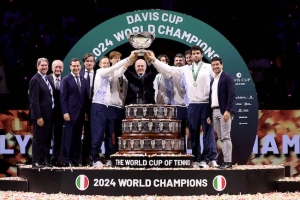
by Alberto Bortolotti
Val Pusteria and Val Gardena incubators of the Sinner phenomenon. Those 2018 words to the Bolzano RAI: ‘I will be number 1’. He takes his teammates by the hand and leads them to the roof of the planet. Drop shot, a touch of poetry in Jannik's progress. The sense of team growing in females and males. The ‘overshadowed’ feat of the girls in the Billie Jean King Cup .
My personal excursus in Alto Adige, or South Tyrol as the locals perhaps still prefer, began in the 1960s with trips, together with my parents, to the Hippodrome of Maia, Merano where a grand prix was run - a gallop - which was also linked to a State Lottery: and my father Rino used to tell the story for the readers of Stadio. At the time, the Passer Promenade was teeming - it was September - with kiosks for traubenkur, or grape juice as a therapeutic remedy: the stuff of 19th-century courts, Merano was truly a timeless place. Later, when I started working too, at the end of the 1970s, the fashion broke out, pushed by the Tourist Promotion Companies, of inviting journalists on ‘educational tours’; the land on the border with Austria, a few decades after the irredentist bombs of Eva Klotz, had plenty of money to invest in tourism.
I remember the shouting of the Bruneck ice hockey ‘ultras’, ‘Fohr, fohr, Bruneck tor’, the discovery of knodl, kaminwurzen, kaiserschmarren and every other good thing, the old men from the villages who, in stunted Italian, urged their children to master it better, a blood bond ‘more with Bavaria than with Austrians’, a frequenter of the stube in Rasun told me, and even a few downhill runs from the lifts at Sesto in Pusteria.
Here, more or less in this Tyrol, the baby of the Sinner family was born. Who could have been No. 147 in the FISI giant slalom ranking (or a good C in mid-football, Ligabue model) and instead, fortunately, chooses to be No. 1 in the world tennis ranking (and the strongest tennis player in Italian history, already, at the age of 23). He exposes all this with great clarity to his colleague Daniele Magagnin, a journalist from Bolzano, after a (partial) failure (who beats him is such a Peter Heller, German, career high 273 in the world) in the Challenger of Santa Cristina in Val Gardena that would have brought him within the top 900 (!) rackets of the globe. It was 18 August 2018. ‘My dream is to become number 1 in the world and to win as many slams,’ he says with apparent self-assurance after saying that his role model is Andreas Seppi (South Tyrolean like him, Italian Daviscupman, number 18 in the ranking in 2013). Then he wins the ITF in Bergamo, publicly thanking the ball boys (he hasn't changed!).
There is also the problem of having appeared too ‘bold’, so much so that he confided to a friend ‘I am not a “braggart”, but simply a person who sets himself a goal’. And it is, I think, the absolute debut in the use of a term that is as much Bolognese as it is Romagnolo, before the tortellini of the mother of his former physiotherapist, the anzolese Jack Naldi (that broth, for so many reasons, is no longer tasted. And it is also sad, but right).
His calmness, his being a silent, thoughtful, affectionate, grateful ‘captain’ made him as great as the variety of strokes he now put together: late arrivals, a deadly drop-shot (what a beautiful English term in the face of the banal ‘short ball’) and a serve, if not of absolute level, at least remarkable. With the fusion of these talents, it was not impossible to predict the encore of the Davis success, nor even the regrowth of Matteo Berrettini, a doubles player of good calibre, better than Jannik (doubles is not the sum of two singles players, it is worth remembering), but above all the bearer of three points out of three matches: a re-boom also the result of the brotherly attention that Sinner dedicated to him. And patience if the fragile Musetti of the first day in Malaga was not able to redeem himself or the solidity of the Bolelli-Vavassori doubles was not allowed to show itself. The ‘manager’ Volandri did not - almost - miss a beat.
If possible, the girls did a much more titanic feat in the Billie Jean King Cup. There was no number 1, there was no precedent (ok, there was, but far in time and, Errani aside, with other protagonists), there were no ‘Sinner-like’ exploits in the circuit. And yet Bronzetti's promotion to number two of the Italian team, bypassing the more titled Cocciaretto, the great combativeness of Paolini, still number four in the world, the team sense of Sara Errani and the great calmness of the non-playing captain ‘Tax’ Garbin hit the mark. The only pity is that the big TV media did not believe it, but the girls, third in the world ranking, have made that upgrade, which is mainly the result of an untouchable group like cement.
The racket, in the world, speaks Italian. For the sporting world, this is an unspeakable satisfaction. The group sense of the men's and women's teams is superior to that of Cucelli/Del Bello 1 and 2 (immediate post-war period), Pietrangeli/Sirola/Tacchini/Gardini/Merlo (1960s), Panatta/Bertolucci/Barazzutti/Zugarelli (Chile ‘76) and Vinci/Errani/Pennetta/Schiavone (Fed Cup 2013). The new generations will have many faults but, being made up of more normal, less original, not at all crazy, perhaps over-formed people, they have less trouble getting behind the flag. I am optimistic.
Why? I want to tell you a secret: it is not over.
La jeunesse au pouvoir : l'arbitre français Letexier, âgé de 35 ans, remporte le prix Campanati
Published in News from Panathlon International
Le plus jeune arbitre de l'histoire de la finale du Championnat d'Europe de football : « La nomination et le prix sont une grande surprise.
Je suis inspiré par mon compatriote Vautrot ».
par Fabio Monti
Giulio Campanati, Milanais né en 1923, reste l'une des personnalités les plus importantes du monde de l'arbitrage, et pas seulement en Italie. Enregistré pour la première fois en 1940, siffleur international depuis 1957, il a dirigé 166 matches en Serie A de 1952 à 1966, date à laquelle il a décidé de mettre fin prématurément à sa carrière pour entamer une longue et prestigieuse carrière d'entraîneur. Membre de la commission des arbitres de la FIFA et de l'UEFA de 1968 à 1992, il a été désignateur de la Serie A de 1968 à 1972 et président de l'Association italienne des arbitres pendant 18 ans, de 1972 à 1990.
Cela ne l'a pas empêché de se faire un nom en tant qu'entrepreneur : son entreprise de mosaïque a permis de refaire le revêtement de la Galleria Vittorio Emanuele au cœur de Milan et la façade de la Rinascente sur la Piazza del Duomo.
Une figure aussi importante ne pouvait pas être oubliée et c'est pourquoi, trois ans après sa mort en 2011, le prix 'Giulio Campanati' est né, destiné au meilleur arbitre de la Coupe d'Europe ou de la Coupe du Monde, distingué pour la qualité de ses directions au cours de ces tournois. Le prix a donc été lancé en 2015 à l'occasion de la Coupe du monde au Brésil, par choix de l'association « Amici di Campanati » et de la section des arbitres de Milan, avec le soutien de la Fédération italienne de football et la direction de son fils Giorgio, et sous l'impulsion d'une autre figure fondamentale du monde de l'arbitrage, Cesare Gussoni.
Au tableau d'honneur figurent les noms de Nicola Rizzoli, choisi en 2014 après avoir arbitré la finale entre l'Allemagne et l'Argentine (qui s'est terminée en prolongation avec la victoire des Allemands 1-0) et en 2016 après l'excellent Championnat d'Europe, avec en point d'orgue la demi-finale France-Allemagne 2-0 ;l'Argentin Nestor Pitana, siffleur de la finale de Moscou entre la France et la Croatie (4-2) ; le Néerlandais Bjorn Kuipers, qui avait dirigé à Wembley le dernier acte de l'Euro 2020, Italie-Angleterre décidé aux tirs au but en faveur des Azzurri; et Daniele Orsato, tout juste rentré d'un grand tournoi au Qatar, qui s'est achevé par la demi-finale entre l'Argentine et la Croatie (3-0).
Dimanche 17 novembre, avant le début d'Italie-France (1-3), dernier match de la Ligue des Nations, au state de San Siro, le prix 2024 a été décerné au Français François Letexier, protagoniste d'un grand Championnat d'Europe en Allemagne, où il a dirigé Croatie-Albanie (2-2),Danemark-Serbie (0-0) et Espagne-Géorgie (4-1, huitièmes de finale), avant de surmonter la concurrence et d'être choisi par le désignateur de l'UEFA Roberto Rosetti pour diriger la finale de Berlin entre l'Espagne et l'Angleterre (2-1 le résultat final, 14 juillet).
La décision de l'UEFA et celle du jury du Prix Campanati, qui en est à sa sixième édition, ont un sens précis, puisque Letexier, Breton de Bédée, né le 23 avril 1989, également star des Jeux Olympiques de Paris, est devenu le plus jeune arbitre à diriger une finale de Championnat d'Europe. S'adresser aux jeunes pour un arbitrage de plus en plus en phase avec son temps et avec les nouvelles indications réglementaires, Var compris, car il est clair qu'on ne dirige plus seul, même si la décision finale revient toujours à l'arbitre sur le terrain : c'est l'indication fournie par la Fédération européenne de football.
Letexier est le deuxième arbitre français à diriger la finale du Championnat d'Europe, après Michel Vautrot, l'arbitre de Hollande-Union soviétique (2-0) le 25 juin 1988 à Munich.
Et ce n'est pas un hasard si ce passage de témoin a eu lieu, car, comme l'a expliqué Letexier lui-même, « Vautrot a toujours été une référence pour nous, et c'est précisément sa façon de diriger et de traiter les joueurs dont j'ai toujours essayé de m'inspirer ».
En présence du Président de la Fédération italienne de football, Gabriele Gravina, c'est Orsato lui-même qui a remis le prix à Letexier, qui n'a pas caché son émotion : « Je suis honoré de recevoir ce prix et je le suis pour trois raisons : parce que c'est le fruit de ce que j'ai fait au Championnat d'Europe, avec mon “équipe” ; pour l'importance du prix ; parce que dans le passé, ce prix a été remis à de grands arbitres. Lorsque j'ai appris l'existence de ce prix, j'ai été surpris, tout comme j'ai été surpris d'être nommé pour la finale de l'Euro 2024.
Et il explique sa relation avec Var : « Pour nous, c'est un outil très utile. D'une manière générale, il n'a pas changé notre façon d'arbitrer, car notre objectif a toujours été de donner le maximum en faisant le minimum d'erreurs. Mais en cas de mauvaise décision, cette décision restait et il m'arrivait de mal dormir en pensant à l'erreur que j'avais commise. Maintenant, tous les arbitres sur le terrain savent qu'il y a une bouée de sauvetage et c'est un grand soulagement. Il ne faut pas s'énerver si on est corrigé par Var, l'important c'est que le résultat final soit au-dessus des erreurs.
L'histoire de Letexier ne s'arrête pas là, en effet, et il n'est pas certain qu'il ne puisse pas être choisi une deuxième fois, à l'occasion de la Coupe du monde 2026.
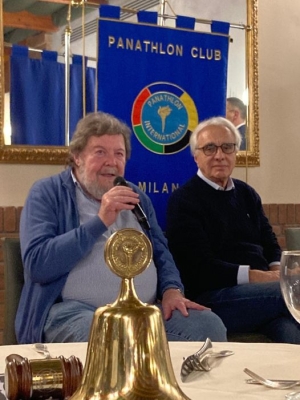
Il 26 novembre Conviviale del Panathlon Club Milano, dedicata al fumetto e lo sport. È stato presentato il libro "Non sono stato io", scritto da Gianni Bono e Raffaele Mangano. Il volume racconta il mistero nato attorno ad Angelo Zarcone, il primo illustratore di Diabolik, noto come "il Tedesco". Zarcone realizzò il volto iconico del Re del Terrore per poi sparire improvvisamente, lasciando un enigma irrisolto che dura da oltre sessant’anni.
Alla serata, introdotta dal presidente del Panathlon Club Milano, Simonpaolo Buongiardino, erano presenti Raffaele Mangano, coautore del libro, e Mario Gomboli, amministratore delegato di Astorina e figura chiave nella lunga storia editoriale di Diabolik. Durante l’evento, Buongiardino ha ricordato il legame personale che univa lui, Mangano e Gomboli, compagni di scuola al Liceo Scientifico Volta di Milano.
Mario Gomboli ha ripercorso la sua lunga collaborazione con Diabolik, a cui tornò nel 1999 con un ruolo di leadership come sceneggiatore e poi amministratore delegato di Astorina. Gomboli ha firmato circa un terzo delle oltre 960 storie pubblicate, rappresentando la continuità, fedele alla visione originale delle sorelle Angela e Luciana Giussani. Ha sottolineato l’importanza del lavoro delle Giussani, che con Diabolik non solo introdussero un genere nuovo, ma segnarono profondamente l’immaginario collettivo, raggiungendo tirature di 300.000 copie.
Mangano ha approfondito l'idea del libro «Non sono stato io», esplorando le ipotesi e le ricerche che circondano la misteriosa figura di Angelo Zarcone. Il volume, arricchito dalla copertina di Guido Scarabottolo, rappresenta un tributo alla storia e ai personaggi che hanno contribuito al successo di Diabolik. Il libro riaccenda l’interesse per questa figura enigmatica, (tanto che sono usciti nuove indiscrezioni) il cui contributo iniziale ha dato vita a un personaggio diventato un’icona senza tempo.
(Il presidente Buongiardino si è presentato con gli occhi di Diabolik e queste parole accattivanti di Gomboli)
«Ricordo quando, usciti di teatro dopo aver assistito a uno spettacolo di magia, puntualmente Alfredo Castelli mi spiegava i trucchi dell’illusionista. E io ci rimanevo male, perché un mistero svelato comporta sempre una dose di amarezza.
Per questo quando Gianni Bono mi chiamò per dire di aver rintracciato Angelo Zarcone, onestamente sperai si trattasse del solito equivoco, dell’ennesimo caso di omonimia. Invece era davvero arrivato alla fine della sua pluridecennale ricerca: aveva accumulato prove inconfutabili supportate da inediti documenti ed era pronto a pubblicare in un documentatissimo saggio. A quel punto scattò in me la “sindrome da segreto svelato” di cui sopra: volevo davvero conoscere la verità sul disegnatore del primo numero di Diabolik? E lettori e fan del Re del Terrore avrebbero tratto soddisfazione o amarezza da quell’esauritivo saggio? Già immaginavo un titolo come La vera vita di Angelo Zarcone, equivalente de L’assassino è il maggiordomo per un romanzo giallo. Ma, leggendo le note di Gianni Bono, mi resi conto che la vita di Zarcone fosse davvero un romanzo, ne aveva il fascino, e allora si poteva usare quella formula per raccontarla. Ho la fortuna di avere per amico Raffaele Mangano, romanziere di lungo corso ma, soprattutto, persona curiosa di tutto ciò che è culturalmente anomalo. E il mondo del fumetto entra a buon diritto nella categoria. Così ho invitato a pranzo Bono e Mangano, ho fatto da catalizzatore perché le loro capacità si fondessero in un’opera ben equilibrata e poi mi sono chiamato fuori, per non disturbare il processo creativo.
Mi sento comunque in parte responsabile del risultato: a renderlo possibile sono stato io». Mario Gomboli - Direttore editoriale Astorina
Panathlon Distrito Brasil - Campanha do Outubro Rosa e o Novembro Azul encerrou com diversas atividades no SESI Votorantim
Published in News from Districts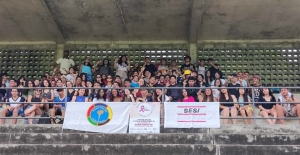
A Campanha do Outubro Rosa e o Novembro Azul promovida pela Perseverança Terceira em parceria com a Fraternidade Feminina da Perseverança, o Panathlon Internacional Distrito Brasil, através dos clubes de Sorocaba e Votorantim, SESI e o Conselho Regional de Educação Física do estado de São Paulo encerrou nesta sexta feira com breve palestra, atividades esportivas, recreativas, tirolesa, o labirinto e a piscina, além da visita ao Bosque da Fama do Panathlon, realizadas nas dependências do SESI Votorantim.
O evento de hoje teve a participação de 80 alunos da Escola Estadual Sarah Salvestro, do Bairro Vitória Régia, que durante a campanha desenvolveram diversos trabalhos através de vídeos, cartazes, panfletos e jogral, todos conscientizando sobre a prevenção do câncer de mama, ginecológico e da próstata.
A campanha começou no inicio de outubro com Desfile de Modas, promovida pela Fraternidade Feminina e contou com mais de 250 mulheres, sendo que a renda foi revertida para o Lar Escola Monteiro Lobato e a Liga Sorocabana de Combate ao Câncer, as filiadas da Perseverança iluminaram a fachada das entidades de rosa, em outubro e de azul, em novembro; o Jornal Cruzeiro do Sul, gravou dois PodCast com especialistas no assunto, sendo um para cada mês, que estão disponíveis no Youtube do Jornal Cruzeiro do Sul, a Radio Cruzeiro FM, realizou semanalmente entrevista com médicos especialistas para falar da prevenção do câncer, o Lar Escola Monteiro Lobato, também realizou uma palestra para os país dos alunos que frequentam o Monteiro Lobato, a Liga Sorocabana de Combate ao Câncer, além das palestras nas industrias, realizou a 10ª edição da Corrida Pink do Bem, com a participação de 3.000 corredores, O Colégio Politécnico, o Serviço de Obras Sociais, a Associação Protetora e Inclusão Social e a Vila dos Velhinhos, também realizaram diversas atividades sobre a campanha.

Panathlon Club Maldonado Punta del Este - Reconocimiento a deposrtistas destacados 2024
Published in News from Clubs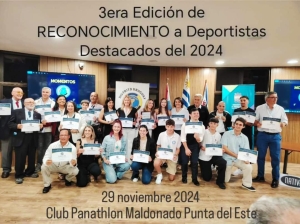
Club Panathlon Maldonado .Punta del Este una vez más Misión cumplida,una vez más llenaron de emoción y agradecimientos una velada que no olvidaremos porque el deporte estuvo presente en los jóvenes y también en nuestros profesores que han dejado y siguen dando lo mejor para continuar soñando que con esfuerzo y entusiasmo se puede.Las imágenes muestran esas impresiones pero los que tuvimos la suerte de vivirlo salimos con una alegría que nos acompañará siempre.Gracias a todos los que hicieron posible esto y muchos más vendrán . Felicidades y felicitaciones

Panathlon Club Sorocaba - 18º Futebola de Ouro homenageou atletas do passado, imprensa e comemorou aniversário dos panathletas
Published in News from Clubs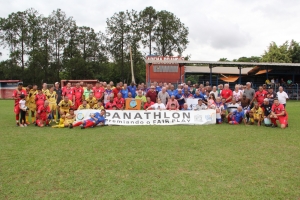
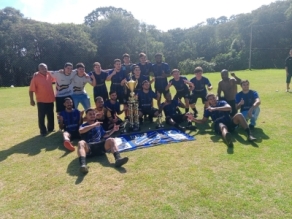
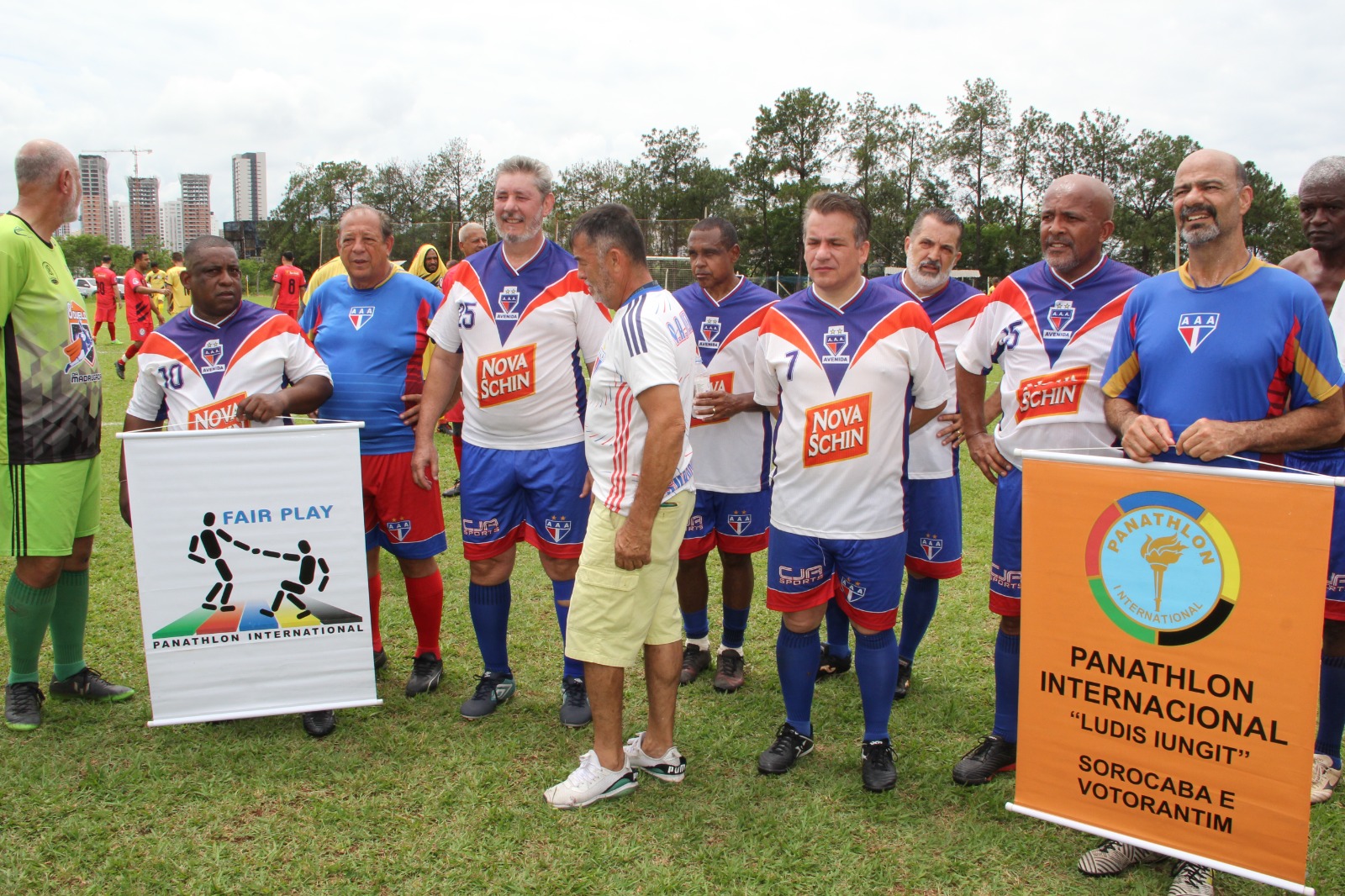
18º Futebola de Ouro, evento promovido pelo Panathlon Club Sorocaba com apoio do Panathlon Internacional Distrito Brasil, com apoio da CJA Sports e David Ferrari Advogados, foi realizado neste sábado, dia 30 de novembro, no Estádio Izaltino Walter, o campo do Avenida, hoje Arena Brandão, com jogo de futebol, minuto de silencio, homenagens e finalizando com almoço de confraternização em comemoração aos panathletas aniversariantes, Ari José Brandão (78) e Pedro Banietti, o Esquerdinha (85).
O jogo aconteceu entre as equipes Amigos do Panathlon e dos aniversariantes, a equipe azul venceu por 5 a 2, após empate no primeiro tempo em 2 a 2, antes da partida foi respeitado um minuto de silêncio pela morte do esportista Gilberto de Medeiros, mais conhecido como Mazolla, que foi diretor do Esporte Clube São Bento.
Após o jogo foi realizado as homenagens com troféu personalizado do Panathlon para os atletas profissionais do passado, Antônio Francisco Mascarenhas, um dos idealizadores do evento fez a abertura do cerimonial, seguido do aniversariante Ari José Brandão, Ademir de Barros, o Paraná e Pedro Roberto Pereira de Souza, agradeceram a presença de todos e é um orgulho poder fazer o verdadeiro resgate da história do esporte de Sorocaba, Vitor Hugo Rodrigues, o Secretário de Esporte e Qualidade de Vida, também se fez presente, parabenizou o Panathlon e entregou o troféu para o ex atleta Guinei, que jogou no São Bento e no Sport Club Corinthians Paulista, Luizinho Costa, que jogou no São Bento, em vários clubes do México e no Coritiba Foot Ball Club, da imprensa esportiva o homenageado foi Juarez Morato, com uma longa história nas rádios de Sorocaba e desde 2006 na Fundação Cultural Cruzeiro do Sul, a Cruzeiro FM. Todos eles agradeceram a lembrança pela homenagem recebida.
Galeria dos Homenageados:
2007 – Ademir de Barros – Paraná; 2008 – Gatãozinho; 2009 – Esquerdinha, Aranha e Bazani, 2010 – Tuca, Bitter, Marinho Perez, e os radialistas José Desidério e J. Bonora (in memoriam); 2011 – Ney Roz, Nenê, Zecão, Editor de Esporte, Dorinha, e o radialista Clodoaldo Armando Júdica (in memorian) e os dirigentes do E.C São Bento 86/87 – Edgard Moura, Alcides Dias, Arlindo Dias, Flávio Guariglia, Antônio Padrão, Diretoria de 2002 – David Ferrari Júnior, Cláudio Jesus Almeida, Antônio Francisco Mascarenhas, Gilberto Medeiros e Osvaldo Daniel; 2012 – Ronaldo Cebola, Médico João Rozas Barrios e o radialista Flávio Moraes (in memoriam); 2013 – João Batista Abelha, Mickey e o radialista Otto Wey Netto. 2014 – Odair Patriarca, Vladimir Alexandre Baptista, e os dirigentes do São Bento Fernando Martins da Costa Neto, Agacyr Maister, Almir Laurindo e Jose Carlos Morais, além do comentarista esportivo Mauro Nobrega; 2015 – Cristiano Brasília e o radialista Alexandre Moreto. 2016 – Equipe do Esporte Clube São Bento – campeão da Copa Paulista de 2002. 2017 – Ademir de Barros Júnior, Claudino Candido de Barros – Candinho, Givanildo Pereira de Souza, e os radialistas, Nilson César Piccini Favara e Paulo Roberto Júnior. 2018 – Pires, Simei Lamarca e apresentador de Esporte, Douglas Brito. 2019 – Chicão Avanzi, Serelepe, Dimas, Brida e o narrador Nilson Duarte. 2020 - Paralisado pela pandemia Covid. 2021 - Tales e o repórter Caio Rossini; 2022 - André Luiz de Almeida e o comentarista Gustavo Gebaile; 2023 – Cacau, Zé Luiz Drey e radialista Nercy José Marcello; 2024 - Guinei, Luizinho Costa e o radialista Juarez Morato
Zwei 80er, die in ihrem Elan als Funktionäre des Panathlon Club Innsbruck nicht zu stoppen sind
Published in News from Clubs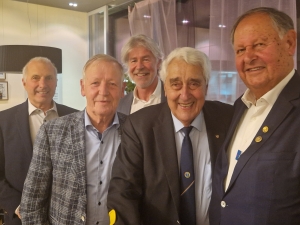
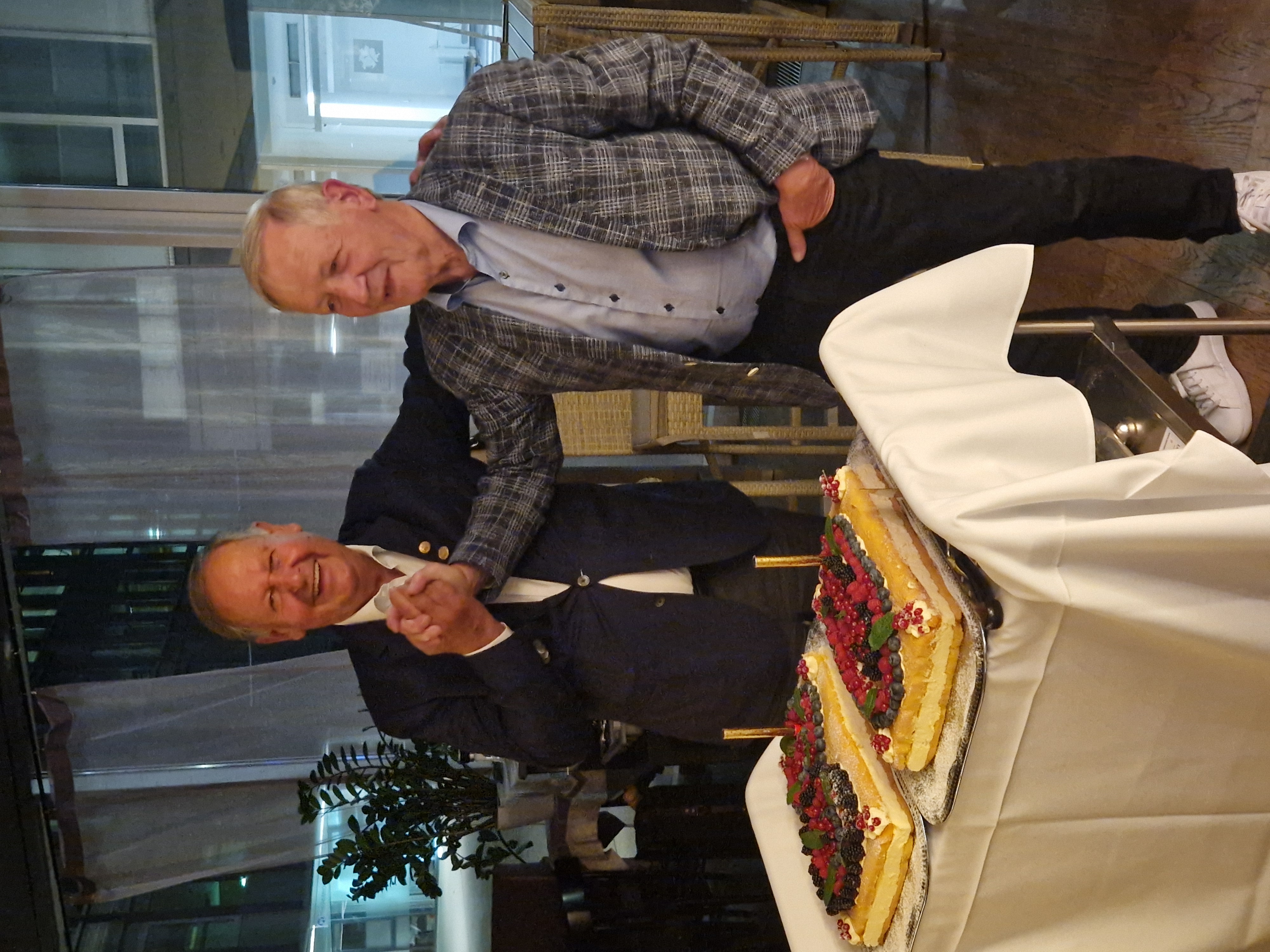
Zwei Mal 80 Jahre – Grund genug für den Panathlon Club Innsbruck die beiden langedienten Funktionäre, dem langjährigen Präsidenten und nunmehrigen Past-Präsidenten Dr. Winfried Sponring und dem 1. Vizepräsidenten Univ. Prof. Dr. Günther Mitterbauer, zu gratulieren. Beide wünschten sich aber zum „Runden“ nicht eine reine Geburtstagsfeier mit endlosen Festreden und Würdigungen im „Clublokal Lavendel“ in Innsbruck, sondern ihren Persönlichkeiten entsprechend, eine Veranstaltung, die sich auch einem thematischen Schwerpunkt widmet.
Unter der Moderation von Panathlon-Präsident Mag. Bernhard Müssigang kam es zu einer Doppel-Conference der beiden Jubilare, warum sie überhaupt Sportfunktionäre geworden sind und was sie motiviert verschiedenste Funktionen in Vereinen, Verbänden und Klubs zu übernehmen. Und Jubilar Sponring verriet: „Ich wollte damals eigentlich nicht Präsident vom Panathlon Club Innsbruck werden. Da habe ich mir gedacht, ich gehe einfach nicht zur Generalversammlung. Dann haben sie mich in Abwesenheit trotzdem zum Präsidenten gewählt.“ Vizepräsident Mitterbauer verriet ein Geheimnis, was einen Sportfunktionär erfolgreich macht: „Man muss Vertrauen aufbauen und genau und akribisch arbeiten.“ Präsident Müssigang brachte es auf den Punkt: „Was beide auszeichnet sind Herz, Hirn und Hand.“
80 Jahre und jahrzehntelang Sportfunktionäre, der Festabend ging natürlich nicht ganz ohne Laudationes zu Ende. Laudator und TiSport-Präsident, Dr. Peter Lechner über Vizepräsident Mitterbauer: „Er ist nie ins Fettnäpfchen getreten und es waren in all den Gremien immer geistreiche Begegnungen mit ihm.“ „Dr. Sponring hat immer mit Hausverstand agiert. Er ist eine wahre Persönlichkeit“, fasste Laudator Dr.Hans Rainer seine Würdigung über Past-Präsident Dr. Sponring zusammen.
Einer der Höhepunkte des Festabends waren die Videobotschaften einiger Panathlonpreisträger. Unter anderem schickten der beiden Skiasse Stephan Eberharter und Bennie Raich, Eisschnellläufer Michael Hadschieff, Radler Georg Totschnig und die Rodel-Schwester Doris und Angelika Neuner herzliche Grüße den beiden Jubilaren.
Distrikts Panathlon Schweiz/Liechtenstein - Panathlon besucht das BASPO in Magglingen
Published in News from Districts
Wenn 24 Kameras den Schwimmstil verbessern…
Panathletinnen und Panathleten bekamen in Magglingen beim Bundesamt für Sport (BASPO) einen unvergesslichen Einblick in moderne Forschungs-, Diagnose - und Rehabilitation - Methoden. Eindrücklich, umwerfend, spannend und imposant, so lauteten die Kommentare der Besuchenden. Zudem erläuterte die vor wenigen Wochen gewählte Direktorin Sandra Felix ihre Vorstellungen persönlichen Ideen zum modernen Sport und zur BASPO-Zukunft.
Peter Wüthrich, Präsident des Distrikts Panathlon Schweiz/Liechtenstein will mit Begegnung, Information und Vermittlung die Clubs und Panathletinnen, Panathleten, näher zusammenführen. Eine eindrückliche Umsetzung seiner Idee erlebten die rund 70 Panathleten:innen beim Besuch des Magglinger Sportkomplexes am 16. November.
Der Vormittag war den informativen, multimedialen Vorträgen von Magglinger Insidern vorbehalten. Die neue Direktorin Sandra Felix will ihre neue Chef-Führungsrolle mit offener Transparenz, enger Zusammenarbeit, persönlicher Mitwirkung, inniger Vernetzung und viel Eigenverantwortung wahrnehmen. Obwohl für viele der Spitzensport seine Unschuld verloren habe (Doping, Match Fixing, Gewalt, unethisches Verhalten, etc.) werde auch künftig der Schweizer Spitzensport in Magglingen mit Engagement, Inspiration und modernsten Forschungsmethoden stark und zielgerichtet gefördert. Sie und ihr Team glauben auf dem Sport-Zauberberg oberhalb Biels an die Zukunft eines sauberen, erfolgreichen Schweizer Sports und an die positiven gesundheitlichen Auswirkungen des regelmässigen Sportreibens. Ohne Magglingens Top-Einsatz wären viele von den Dutzenden Medaillen an internationalen Anlässen nicht gewonnen worden.
Aber auch die Breitensportler:innen – in der Schweiz sind rund 84% der Bevölkerung auf irgendeine Art und Weise sportlich aktiv - die dem helvetischen Fünfkampf Wandern, Schwimmen, Ski, Rad und Joggen frönen, profitieren vom BASPO. Ein imposantes Beispiel dazu stellt die Förderung des Kinder- und Jugendsports mit dem 50 Jahre alten J+S-Programm dar: Pierre-André Weber, Chef Jugend- und Erwachsenensport, belegte dies mit einem informativen, historischen Exkurs und bewies das mit eindrücklich hohen Zahlen: 660 000 bis 700 000 Jugendliche ab 5 Jahren profitieren in rund 90 Sportarten jährlich von J+S. Künftig soll die Altersstufe neu auf 4 Jahren gesenkt werden, denn eine Sachstudie beweist: Jugendliche, die unter J+S den Sport kennen und schätzen gelernt haben, sind auch als Erwachsene bis ins hohe Alter körperlich aktiver als die restlichen Zeitgenossen.
Wie vielfältig und vernetzt die Ausbildung an der Eidg. Sporthochschule ESHM ist, präsentierte Rektor Urs Mäder. Die bunte Ausbildungspalette umfasst mit all den Studiengängen, Weiterbildungen, Trainerausbildungen, sowie Spezialthemen und -kursen ein sehr breites Spektrum. Die ESHM arbeitet eng mit Universitäten und den Technischen Hochschulen zusammen und ist mitten in der Zertifizierung im Qualifikations-Sicherheitssystem.
Magglingen ist aber auch sehr innovativ und immer auf der Suche nach neuen Errungenschaften für den Schweizer Sport. Mit seinem emotionalen Referat zog Hippolyt Kempf die ganze Panathlon-Familie sofort in seinem Bann. In Erinnerung wird bestimmt das Beispiel Schwimmbecken Tenero bleiben, wo mit mehr als 20 Kameras und modernsten Messmethoden jedes technische Detail eines Schwimmers im und unter Wasser visualisiert, analysiert und optimiert werden können. Noé Pontis Weltrekorde lassen grüssen.
Besuch «Lärchenplatz» und Ausbildungshalle
Nach dem Stehlunch konnten gruppenweise die neusten Bauwerke besucht und bestaunt werden. Am Lärchenplatz sind in erster Linie die Mitarbeitenden der Eidgenössischen Hochschule für Sport Magglingen (EHSM), die sich unter anderem mit Forschung, Ausbildung und Dienstleistungen für den Schweizer Sport beschäftigen, am Werk.
Entstanden ist nicht nur ein architektonisch eindrücklicher Holzbau, sondern ein hochkomplexes Kompetenzzentrum voller technischer Innovationen. Nicht minder eindrücklich die neu erstellte Ausbildungshalle neben dem Sport-Toto-Komplex. Modernste Infrastruktur – u.a. die in die Wände integrierten Grossbildschirme, wo mittels Touchscreens die Ausbildung und Schulung visualisiert und multimedial gearbeitet werden kann – sind topmodern und funktional.
Ein zufriedener Präsident Wüthrich zog am späteren Nachmittag ein positives Fazit: «Es lohnt sich für jeden persönlich, aber auch für die Clubs, derartige Anlässe zu besuchen. Denn unbekannte Aspekte kennen zu lernen, sich mit anderen Panathleten:innen auszutauschen und über den persönlichen Tellerrand zu blicken, sind für jeden und alle ein grosser Gewinn!»
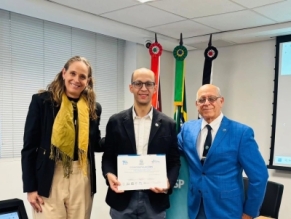
photo: Peter Wüthrich mit BASPO-Direktorin Sandra Felix und den Referenten (v.l.)
Hipplyt Kempf, Urs Mäder und Pierre-André Weber.
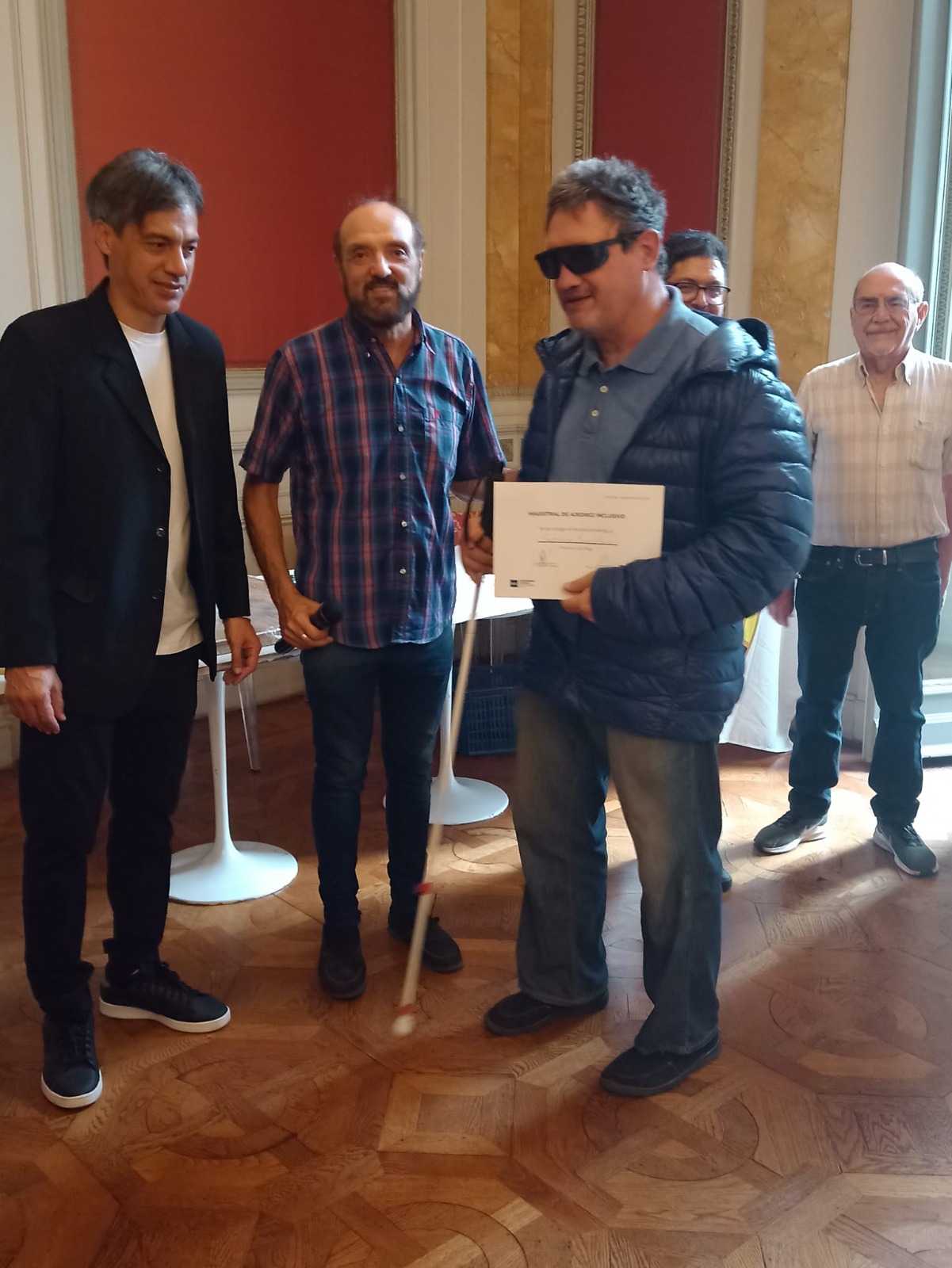
El pasado domingo 17 de noviembre, de 10 a 17, se llevó a cabo el “Primer Magistral por la Inclusión de Ajedrez Social”, organizado por el ente municipal BioCórdoba en el Palacio Ferreira de la Ciudad de Córdoba. El certamen es pionero en este tipo de competencias y "busca promover la inclusión de personas con discapacidad visual y otras discapacidades desde el ajedrez", señalaron desde la organización.
Destacados referentes del ajedrez participaron junto a jugadores con discapacidad visual en un torneo único que utilizará tableros y piezas de materiales reciclados.
El certamen contó con el auspicio de la Federación de Ajedrez de la Provincia de Córdoba, Panathlon Club Cordoba, Capital, asociaciones locales de ajedrez, organizaciones de apoyo a personas con discapacidad visual y la Fundación Jean Maggi.
Paralelamente, se realizó una muestra con elementos de la historia del ajedrez, como las mesas que se utilizaron en el Torneo de las Naciones de 1939 en Buenos Aires, donadas por el gran mentor del ajedrez Roberto Grau, y las mesas de la Olimpíada de Ajedrez de 1978 que se disputó en el estadio de River Plate.
Posteriormente nuestros dirigentes, encabezados por Iván Areco, entregaron el diploma conmemorativo al destacado atleta no vidente José María Saponara.